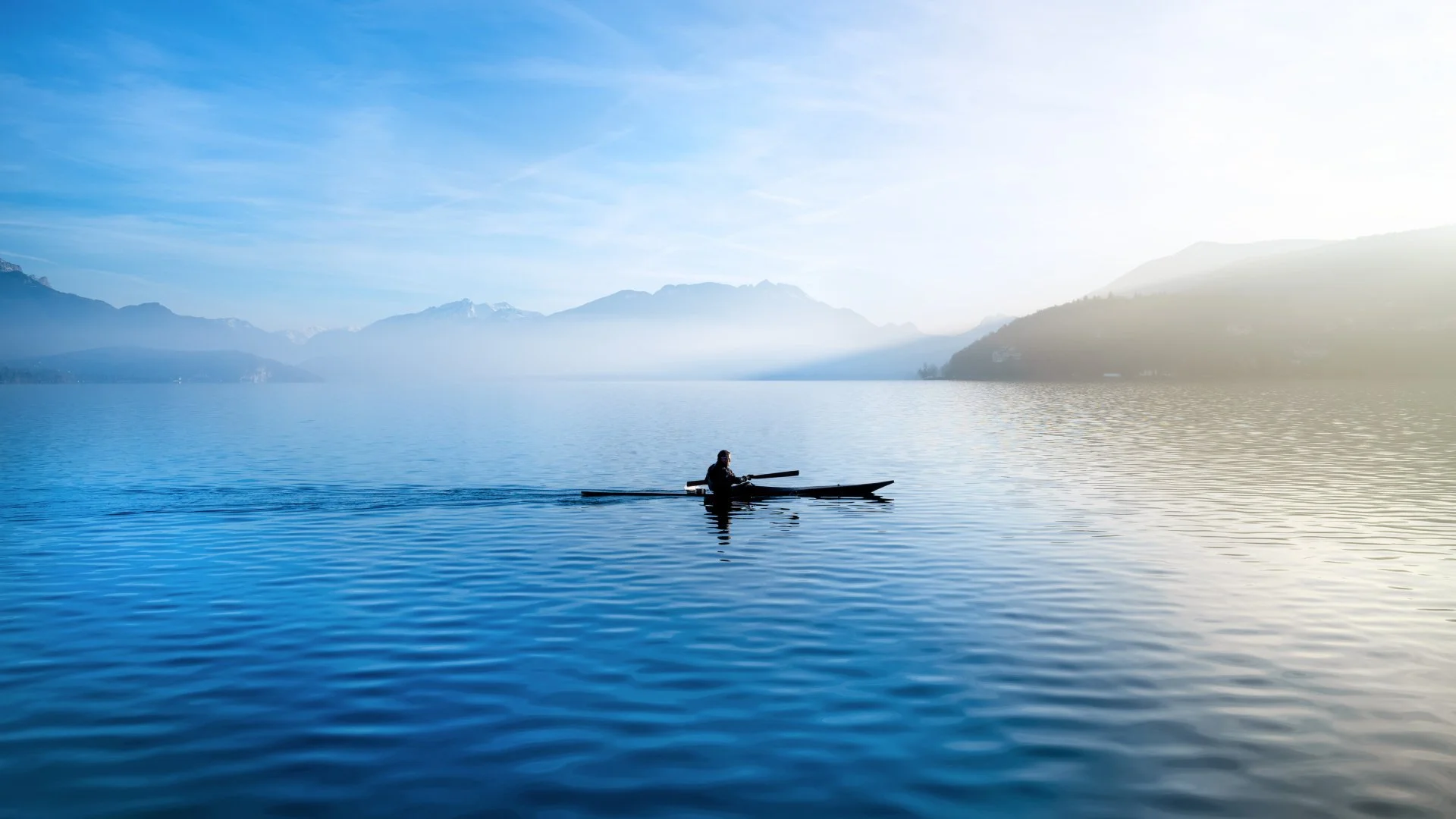
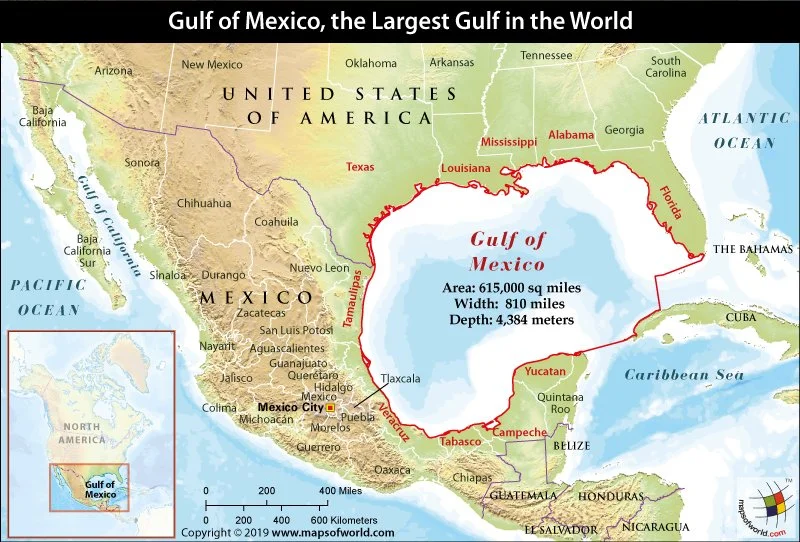
3,400 miles around the Gulf of Mexico by kayak
Celebrating the hundreds of organizations and thousands of people already out there working across language, custom, culture and legal system to protect the largest gulf in the world.
They plant coral, mangroves and sea grass. They stop poaching, pick up ghost nets, protect our turtles, dolphins, manatee and whales. They are out there now. But, because they are all very busy and have limited time, we are going to go see them.
Come along for the ride, get to know them and hear their stories of hope and inspiration as they work to save our oceans.
Ocean Responders? The last 25 years has introduced us all to the idea of ‘First Responders.’ Fireman, Police and Emergency Personnel. And then with COVID, that expanded to include Doctors, Nurses and others. People who choose professions working in service to us all. In many cases, they risk their lives researching, conserving and protecting us and our world.
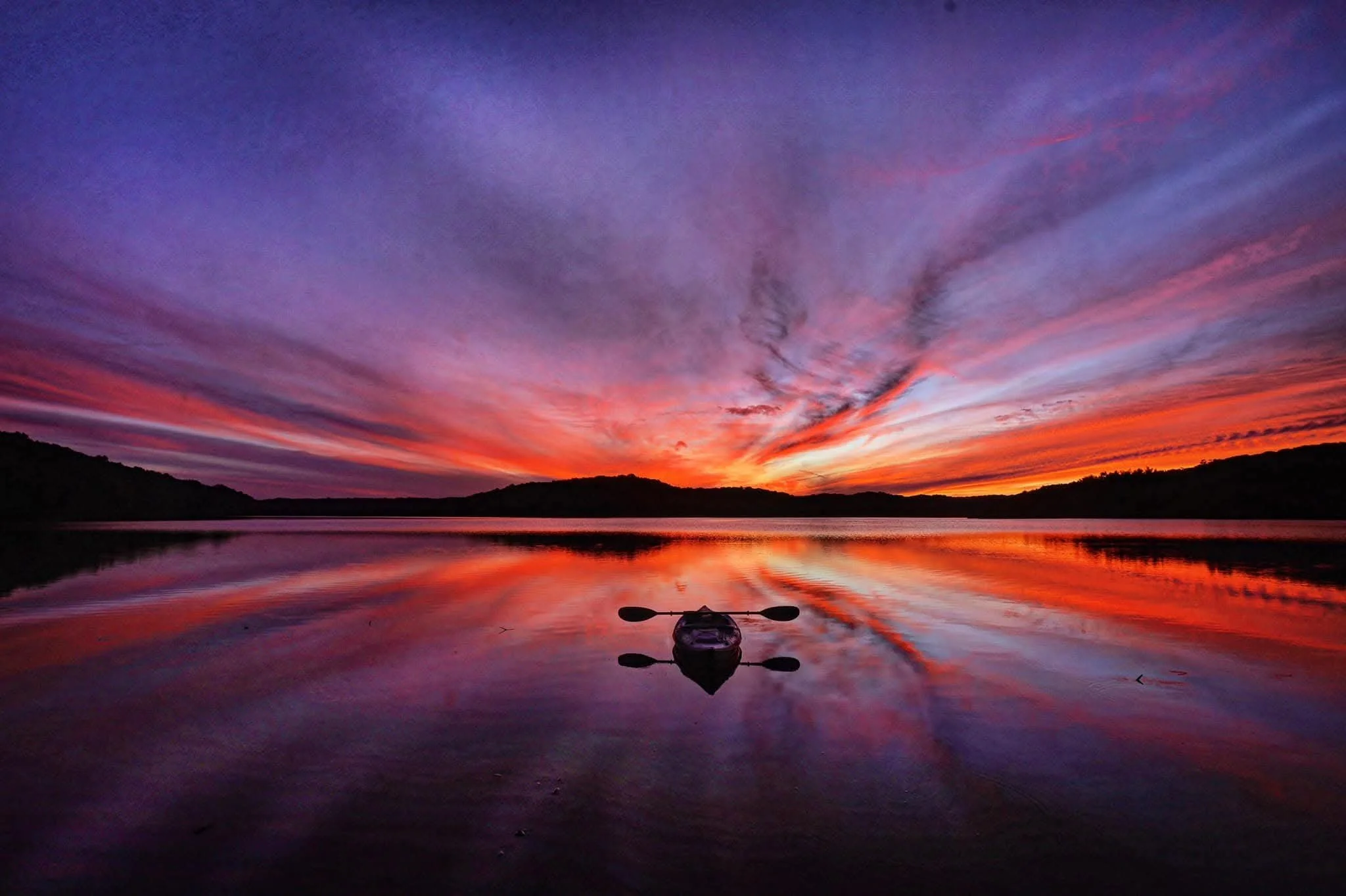
This initiative, oceanresponders.org is to introduce you to the hundreds of organizations and thousands of people already out there working in service to our oceans, coasts and shared natural resources. I am kayaking first around the Gulf because that is where I learned to swim, played with manatee as a child and watched the sun sink into the ocean each day.
It is 2026. There are more than 8 billion of us. The number of people in the world has doubled in my lifetime. So too has the number of countries. And in the last 25 years, we also became an urban species. So, yes there really is a lot going on. This type of change is only possible by us adapting and evolving - scientists call it the Anthropocene and it is our worldwide new normal.
And when everything changes quickly, it is helpful to focus on the most important things - like our ocean, where all life originated. So I am going out to meet as many policy makers and ocean responders as I can, sharing their stories with you as podcasts, writings and photos. If you know anyone that deserves recognition, send me their details and I will add them to the list of stops.
People do not relate to facts and figures and charts and graphs - they relate to people. So come on down to the beach. We can sit around the campfire, watch the sun go down and talk about it.
Standing on the shoulders of giants
International expedition based social movements are springing up all over our rapidly changing world, because we now recognize how interconnected we really are. Our growth and expansion in the last 100 years, allowing us to grow to 8 billion, should be called a success story, not a tragedy. The average human life expectancy doubled in the 20th Century. And in almost every corner of the world, democracy in one form or another governs our blue planet.
So getting on with the business of changing our relationships with nature and each other is our 21st Century Renaissance. It makes no sense for us to argue - nobody alive today created this. We were all born into it thinking it was normal, right and sustainable. We know better now. What will our civilization look like in 2100? We do not know. Nobody knows. Yet, the only thing we have really lost is the idea that we could control and dominate nature, which was never true anyway.
Ocean Responders goal is to celebrate those who have already given their lives to this transition. We will go meet them, listen to their stories and find out what they need from us.